Conflict Resilience Bundle
What is Conflict Resilience?
A natural part of group dynamics is navigating tensions and conflicts, both large and small. An individual’s resilience reflects their ability to address conflicts skillfully and maintain their membership in a group. A group’s resilience reflects its ability to prioritise members’ well-being by providing times and spaces for addressing small tensions before they grow into larger conflicts. Both individual and group conflict resilience contribute to groups remaining intact while navigating disturbance and adversity.
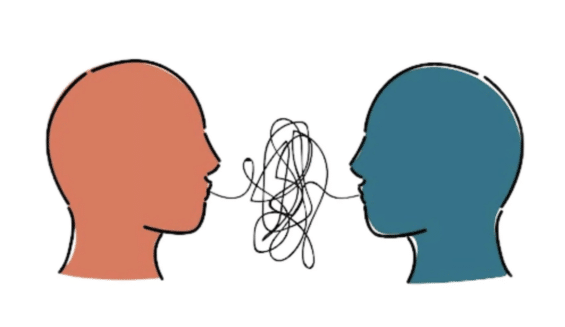
Part of individual and group well-being relies on having relationships strong and deep enough that they supply more energy than they require. Relationships that overall feel enlivening, enriching, and supportive are an indicator of individual and group well-being. The number and kind of relationships in a group may vary; so in some groups, individuals may need to invest in some relationships more than others. Conflict resilience involves strengthening and deepening relationships before tensions arise. So that when tensions do arise, individuals can make choices that support each other’s well-being.
Conflict resilience is about individuals:
- building strong and deep foundations for relationships
- noticing when there is a tension in a relationship
- investing time in addressing the tension
- knowing each other’s preferences and what specifically helps someone to address tensions
- practicing specific ways to address tensions in relationships.
Featured Webinar Series: Conflict Resilience Webinar Series
The Conflict Resilience Series, curated by the Inner Transition Circle, explores how groups can navigate conflict with greater wisdom, care, and resilience. Through five webinars with leading practitioners, the series offers practical tools and regenerative approaches to strengthen relationships, transform conflict, and build healthier group cultures.
 Healthy Groups
 Inner & Just Transition
 Vision & Community-led change
 Wellbeing
 United Kingdom
Designing for Health: Applying the Healthy Human Culture Framework

Conflict, collaboration and Collective Power with Paul KahawattePaul Kahawatte
A Living Systems Regenerative Approach to Human Conflicts with Nuno Da Silva
Working Effectively with Especially Challenging Behaviors in Member-Led Activist Groups
Peacebuilding and Practising Transition with Root Cuthbertson
Practical Guides and Activities for Conflict Resilience
A collection of practical guides, facilitation tools, activities, and frameworks to help groups build conflict resilience, strengthen communication, navigate difficult conversations, and cultivate healthier group cultures. Whether you’re supporting a community initiative, organization, or grassroots project, these resources offer practical approaches for transforming conflict into an opportunity for learning, stronger relationships, and more effective collaboration.

How to Stop Blame and Shame Communication: Shift Toward Empowering Language and Connection

 Guides
 Collaborative Leadership
Local Democracy
Collaborative Leadership
Local Democracy
 Regenerative Practices
 Social Change
 Working in Community
 Global
United Kingdom
Global
United Kingdom
 United States
Feedback Culture
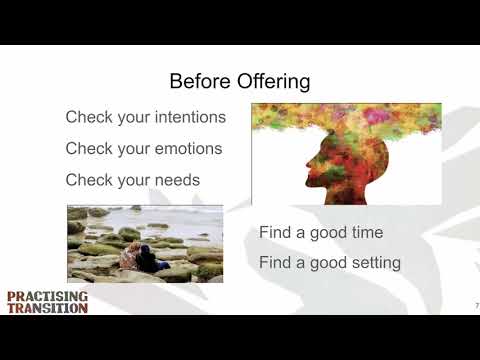
Offering and receiving feedback
 Guides
Regenerative Practices
Social Change
Working in Community
Global
United Kingdom
United States
Guides
Regenerative Practices
Social Change
Working in Community
Global
United Kingdom
United States
Clearing Procedure
 Guides
Collaborative Leadership
Local Democracy
Regenerative Practices
Social Change
Working in Community
Global
United Kingdom
United States
Guides
Collaborative Leadership
Local Democracy
Regenerative Practices
Social Change
Working in Community
Global
United Kingdom
United States
Peace Principles
Nervous System Regulation for Organisers and Collective Work | Psycho-Social Resilience
Coming Down to Earth - The Conflict Transformation Summit Recordings
Coming Down to Earth: A Journey Towards Regenerative Cultures in a Time of Breakdown was an online summit exploring conflict transformation, regenerative cultures, and collective resilience. Featuring voices including Otto Scharmer, Margaret J. Wheatley, Miki Kashtan, Báyọ̀ Akómoláfẹ́, Sophy Banks, Daniel Christian Wahl, Alnoor Ladha and many more ! The summit brought together 70+ recordings of conversations, practices, and perspectives exploring how we can reimagine conflict as an opportunity for healing, collaboration, and transformation through compassion, systems thinking, and regenerative approaches.
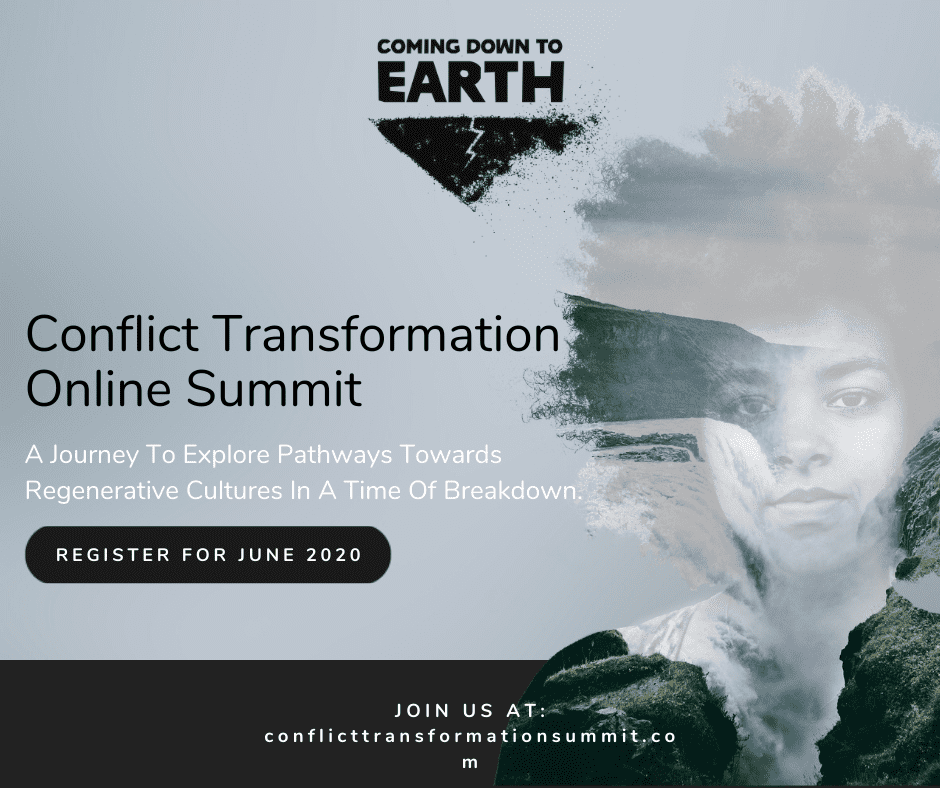
“Coming Down to Earth” – The Conflict Transformation Summit
Stories and Perspective for Conflict Resilience
A collection of stories, reflections, interviews, and diverse perspectives that deepen our understanding of conflict, collaboration, and healthy group culture. These resources explore the human dimensions of conflict resilience, offering real-world experiences and fresh insights that inspire more compassionate leadership, stronger relationships, and more resilient communities.

Intro to Conflict Resilience Resources
 Guides
Collaborative Leadership
Regenerative Practices
Social Change
Working in Community
Global
United Kingdom
Guides
Collaborative Leadership
Regenerative Practices
Social Change
Working in Community
Global
United Kingdom
Re-Framing Conflict

 Intros
Collaborative Leadership
Regenerative Practices
Social Change
Working in Community
Global
United States
Intros
Collaborative Leadership
Regenerative Practices
Social Change
Working in Community
Global
United States
Intro – Compassionate Communication + Resources
 Guides
Collaborative Leadership
Regenerative Practices
Social Change
Working in Community
Global
United States
Guides
Collaborative Leadership
Regenerative Practices
Social Change
Working in Community
Global
United States
Compassion for Challenging Behaviour
 Collaborative Leadership
Social Change
Wellbeing
Working in Community
Global
United Kingdom
Collaborative Leadership
Social Change
Wellbeing
Working in Community
Global
United Kingdom
TNi’s Learning Journey with Conflict
Continuing the Conflict Resilience Journey
Conflict is a natural part of being in relationship with others. Building conflict resilience is not about avoiding tensions, but about developing the skills, practices, and relationships that help individuals and groups navigate challenges with care, curiosity, and compassion.
We hope these resources offer practical tools and inspiration for strengthening relationships, creating healthier group dynamics, and developing the capacity to address tensions before they become larger conflicts. Every group has its own context, culture, and ways of working, so we invite you to adapt these practices to fit the needs and realities of your community.
As you explore these resources, you might consider:
- How do we currently respond when tensions arise in our group or community?
- What relationships need more care, attention, or investment?
- What practices could help us create more trust and openness before conflict emerges?
- What is one small step we could take to strengthen our collective conflict resilience?
We invite you to share your reflections, experiences, and any other tools or practices that have supported conflict resilience in your groups with the wider community on Community Waves. By sharing what we learn, we can support one another in building communities that are more connected, resilient, and capable of navigating challenges together.
 English
  Portuguese (Brazil)
  Portuguese (Portugal)
  French
  Spanish
  German
  Italian
  Swedish
  Japanese
  Hungarian
  Finnish
  Danish
  Dutch
Dutch  Ukrainian
  Russian
  Chinese
  Welsh
Welsh